Master Art Composition Techniques for Stunning Visuals

Creating captivating art is a journey filled with discovery and expression. When I first started painting, I quickly realized that the secret to making my work truly resonate wasn’t just in the brushstrokes or colours, but in how I arranged every element on the canvas. This is where art composition techniques come into play. They guide the eye, evoke emotions, and bring harmony to a piece. Today, I want to share some of the most effective techniques that have helped me craft stunning visuals that speak to the heart.
Understanding Art Composition Techniques: The Building Blocks of Visual Harmony
Art composition is like the architecture of a painting. It’s the thoughtful placement of shapes, lines, colours, and textures that creates balance and interest. When I apply these techniques, I feel like I’m telling a story without words. Here are some foundational methods I rely on:
Rule of Thirds: Imagine dividing your canvas into a 3x3 grid. Placing key elements along these lines or their intersections naturally draws the viewer’s eye. It’s a simple trick that adds dynamic tension and balance.
Leading Lines: These are lines within the artwork that guide the viewer’s gaze toward the focal point. Roads, rivers, or even the curve of a figure can serve this purpose.
Framing: Using natural or architectural elements to frame the subject adds depth and focus. Think of a window, archway, or branches encircling the main subject.
Symmetry and Asymmetry: Symmetry offers calm and order, while asymmetry creates movement and interest. Both can be powerful depending on the mood you want to convey.
Contrast: Playing with light and dark, rough and smooth, or warm and cool colours can highlight important areas and add drama.
These techniques are not rules to be rigidly followed but tools to experiment with. I encourage you to try mixing them and see how your compositions evolve.

What is an example of composition in art?
One of my favourite examples of composition in art is Leonardo da Vinci’s The Last Supper. The way he arranged the figures around Jesus creates a perfect balance and focus. Jesus sits at the centre, framed by the architecture and the lines of the table, drawing your eye immediately to him. The apostles are grouped in threes, creating rhythm and movement across the scene. This thoughtful arrangement tells a story and evokes emotion without a single word.
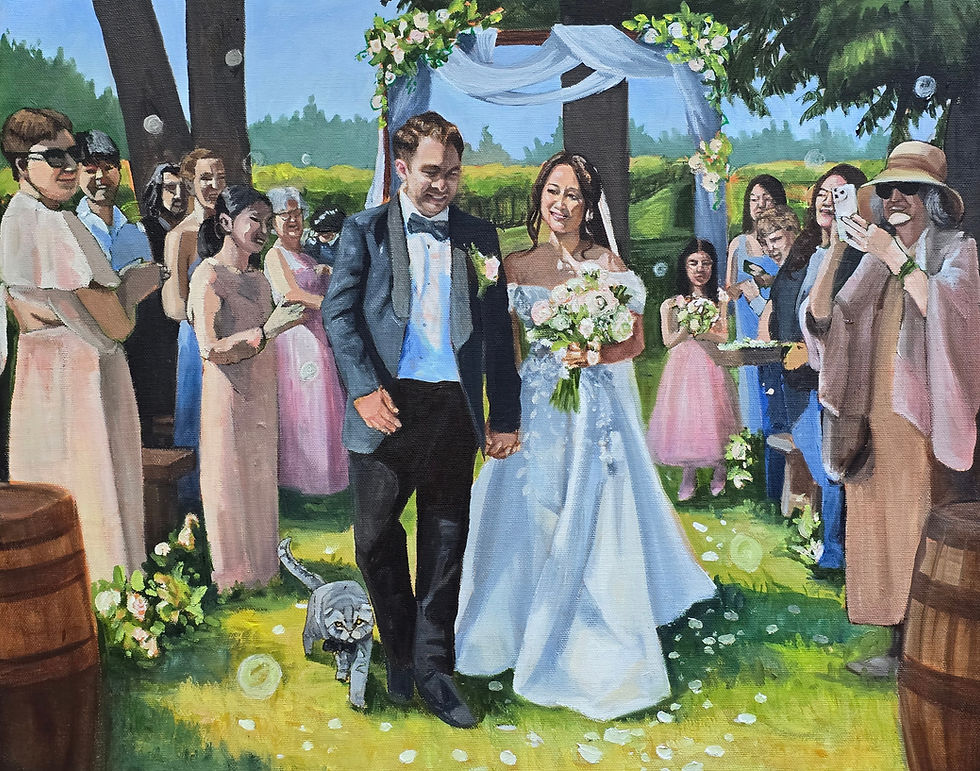
In my own work, I often look to such masterpieces for inspiration. For instance, when painting a couple, I might place them slightly off-centre, using the rule of thirds, while surrounding them with natural elements that frame and highlight their connection. This approach helps me capture not just their likeness but the feeling of the moment.
How to Use Colour and Light to Enhance Your Composition
Colour and light are like the heartbeat of a painting. They set the mood and guide the viewer’s emotions. When I think about colour in composition, I consider:
Colour Harmony: Using colours that complement each other creates a pleasing effect. For example, pairing warm oranges with cool blues can make a scene feel vibrant yet balanced.
Colour Contrast: Placing a bright colour against a muted background makes the subject pop. This is especially useful when you want to draw attention to a specific area.
Light and Shadow: Light not only reveals form but also adds depth. I love using chiaroscuro - the contrast of light and dark - to create drama and focus.
Try experimenting with a limited palette to see how subtle shifts in colour and light can transform your composition. Sometimes, less is more.

Practical Tips to Master Artistic Composition in Your Work
Mastering composition takes practice, but here are some actionable tips that have helped me grow:
Sketch First: Before diving into paint, sketch your composition. Play with different arrangements until something feels right.
Use Thumbnails: Small, quick sketches help you explore ideas without committing too much time.
Step Back Often: Viewing your work from a distance reveals imbalances or distractions you might miss up close.
Limit Your Focal Points: Too many points of interest can confuse the viewer. Choose one or two and support them with the rest of the composition.
Embrace Negative Space: Don’t feel the need to fill every inch. Empty space can provide breathing room and highlight your subject.
Seek Feedback: Sometimes fresh eyes can spot what you can’t. Share your work with fellow artists or friends and listen openly.
Remember, composition is a skill you develop over time. Be patient and kind to yourself as you explore.
Bringing Your Vision to Life with Artistic Composition
When I think about the magic behind a painting that truly moves me, it’s often the result of thoughtful artistic composition) that connects every element with intention. It’s the invisible thread weaving together colour, form, and emotion.
Whether you’re capturing a tender moment between two people or the serene beauty of a landscape, composition helps you tell your story in a way that feels authentic and powerful. It invites the viewer to linger, to feel, and to see the world through your eyes.
If you’re inspired to deepen your understanding, I encourage you to experiment boldly. Play with these techniques, trust your instincts, and watch your art transform into something truly stunning.
Your Next Step in Artistic Composition
Now that you’ve explored these art composition techniques, why not put them into practice? Start with a simple subject and try applying one or two methods at a time. Notice how your work changes and what feelings it evokes.
If you’re looking for guidance or a community to grow with, consider joining local art groups or workshops. Sharing your journey with others can be incredibly rewarding and inspiring.
Remember, every masterpiece begins with a single stroke and a thoughtful arrangement. Embrace the process, and let your creativity shine.
Happy painting!